Las Vegas Indoor-Outdoor Living Trends in Ascaya
January 1, 2026
January 1, 2026
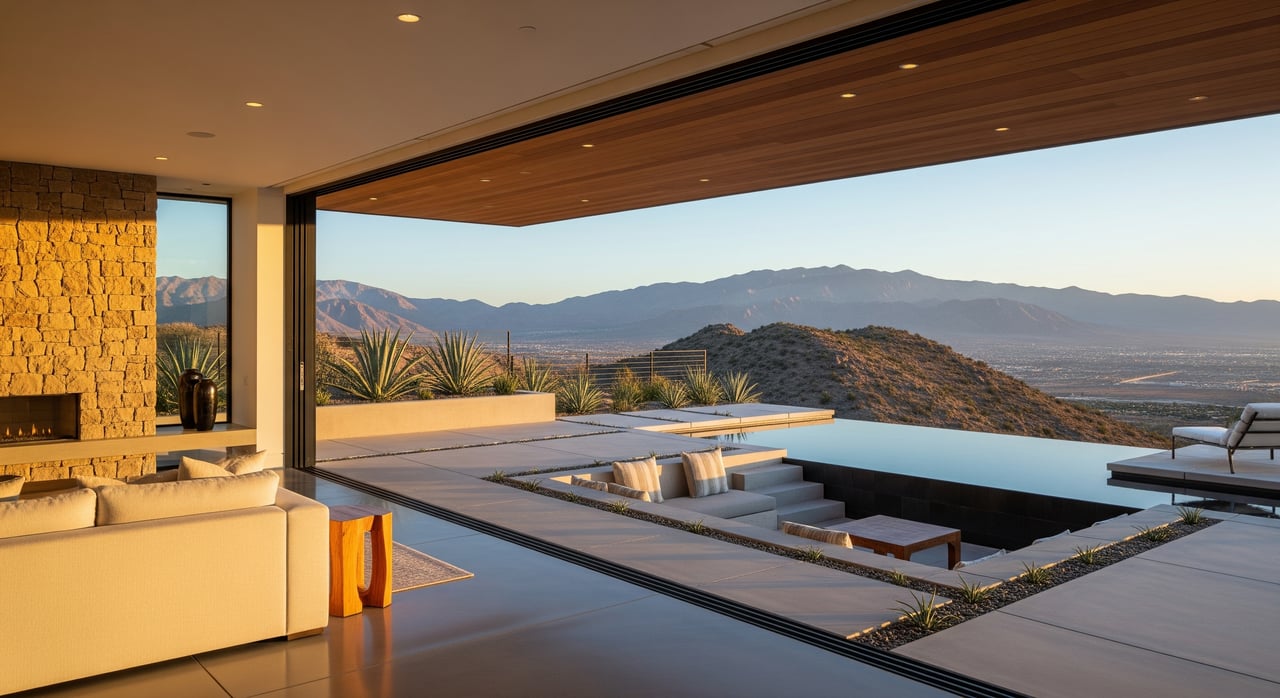
Picture your great room opening to the sky as the Strip glows in the distance, a shaded terrace stays cool in the afternoon, and your glass walls disappear with a touch. If you live or plan to build in Ascaya, that seamless indoor‑outdoor lifestyle is more than a wish. It comes down to smart design choices that fit Henderson’s desert climate and hillside lots. In this guide, you’ll learn the most in‑demand features, how to make them perform year‑round, and what matters for resale. Let’s dive in.
Ascaya sits above Henderson with long, very hot summers, mild winters, and minimal rain. Local climate data for Las Vegas shows intense heat and little precipitation, which means shade, glare control, and efficient cooling should lead your plan (NOAA climate normals). Low‑water landscaping is also expected. Southern Nevada’s programs encourage WaterSmart plant palettes and turf removal, offering guidance and incentives for residents (SNWA WaterSmart).
Hillside construction adds complexity. Steep grades affect privacy, wind, and drainage, and many design decisions require engineering and community review. Before you commit to a design, confirm permit paths and submittals with the county and your HOA to avoid delays (Clark County Building Division). With the right approach, you can shape comfortable microclimates and protect your views.
Large sliding, folding, or retractable glass walls are a signature Ascaya move. They erase the boundary between the great room and your terrace, frame ridge and Strip views, and make entertaining effortless. The tradeoff is heat gain and potential air leakage if you choose the wrong system.
Focus on performance first. Ask for NFRC labels and compare U‑factor, solar heat gain coefficient (SHGC), and visible transmittance (VT) so you know how the system will behave in summer and winter (NFRC). Pair that with ENERGY STAR guidance for products suited to hot climates and insist on thermally broken frames, proper flashing, and low thresholds for safe transitions (ENERGY STAR windows program). Place operable sections to capture evening breezes when temperatures drop. You’ll enjoy the wow factor without the energy penalty.
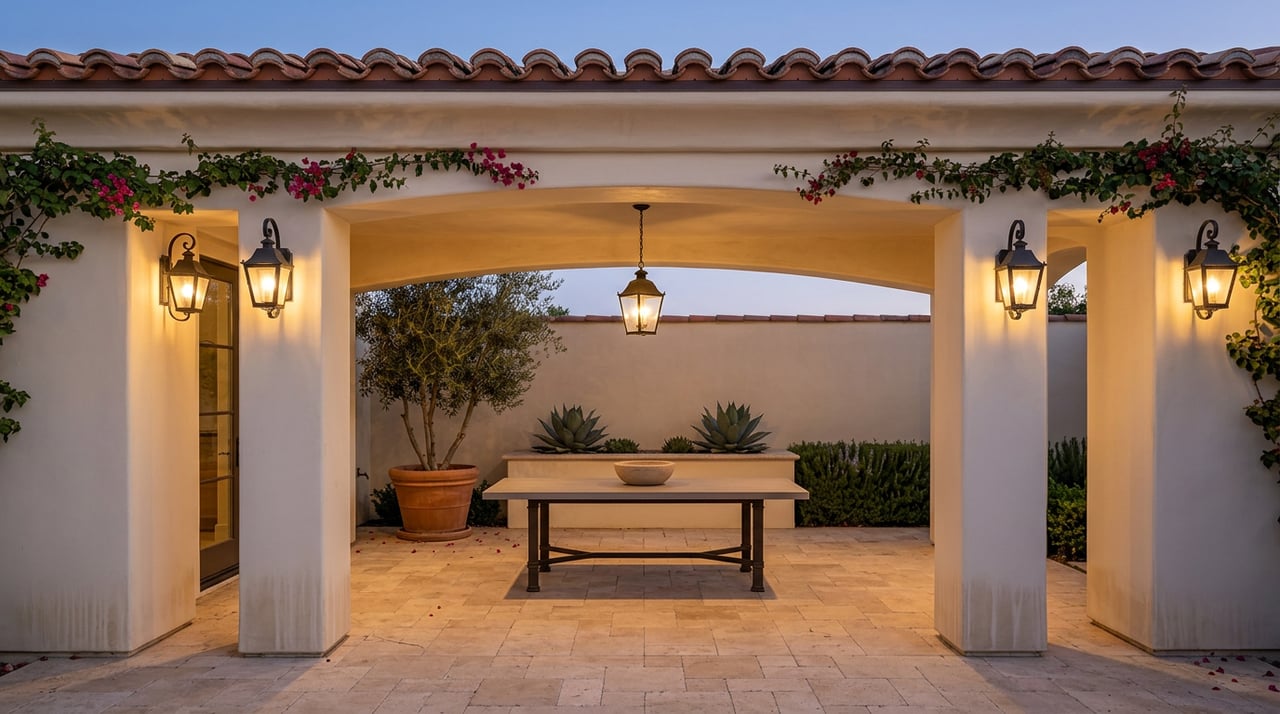
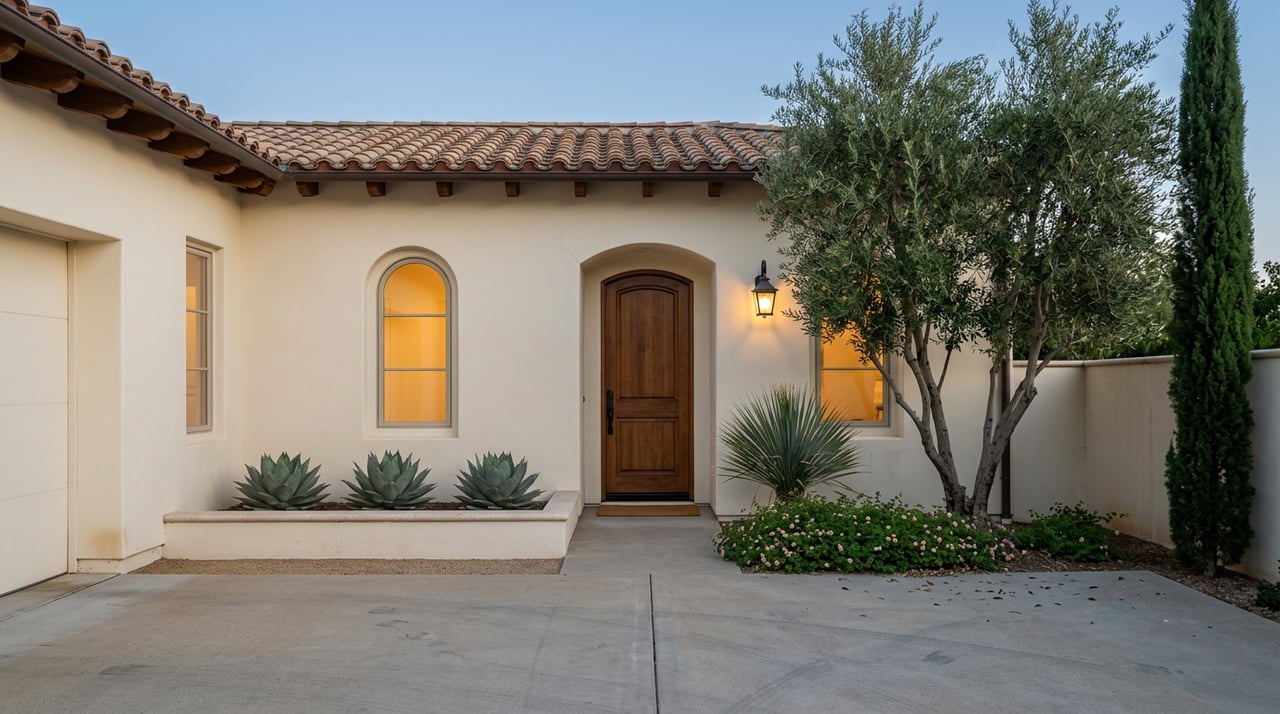
Desert comfort is all about shade and orientation. Courtyards and covered rooms create protected spaces that block harsh western sun, shield gusty winds, and welcome softer morning light. With the right geometry, overhangs and trellises can keep interiors bright while cutting summer heat.
Use porch depths and rooflines calibrated to seasonal sun angles so summer sun is excluded and winter light reaches deep inside. The U.S. Department of Energy’s passive solar concepts offer clear rules of thumb for overhang sizing and layout (DOE passive solar design). Layer in trellises, louvers, and vine-covered pergolas to add dynamic shade. If you consider misters or small water features, balance the cooling benefit with your water budget and maintenance goals.
Glass choice drives comfort in the desert. In Ascaya, prioritize low‑e, spectrally selective coatings that lower SHGC while preserving views. For large west and south exposures, consider lower SHGC and VT to tame afternoon heat and glare. Double‑pane or triple‑pane units with inert gas fills and warm‑edge spacers improve insulation and reduce condensation risk.
Start with the basics: understand U‑factor, SHGC, VT, and air leakage on the NFRC label so you can compare apples to apples (NFRC). Then combine high‑performance glazing with exterior shade like deep overhangs or adjustable louvers. Exterior shading blocks heat before it hits the glass, which is especially powerful in our cooling‑dominated climate (DOE windows guidance). If you want flexible glare control without heavy shades, premium dynamic glazing is an option, but weigh cost and integration complexity.
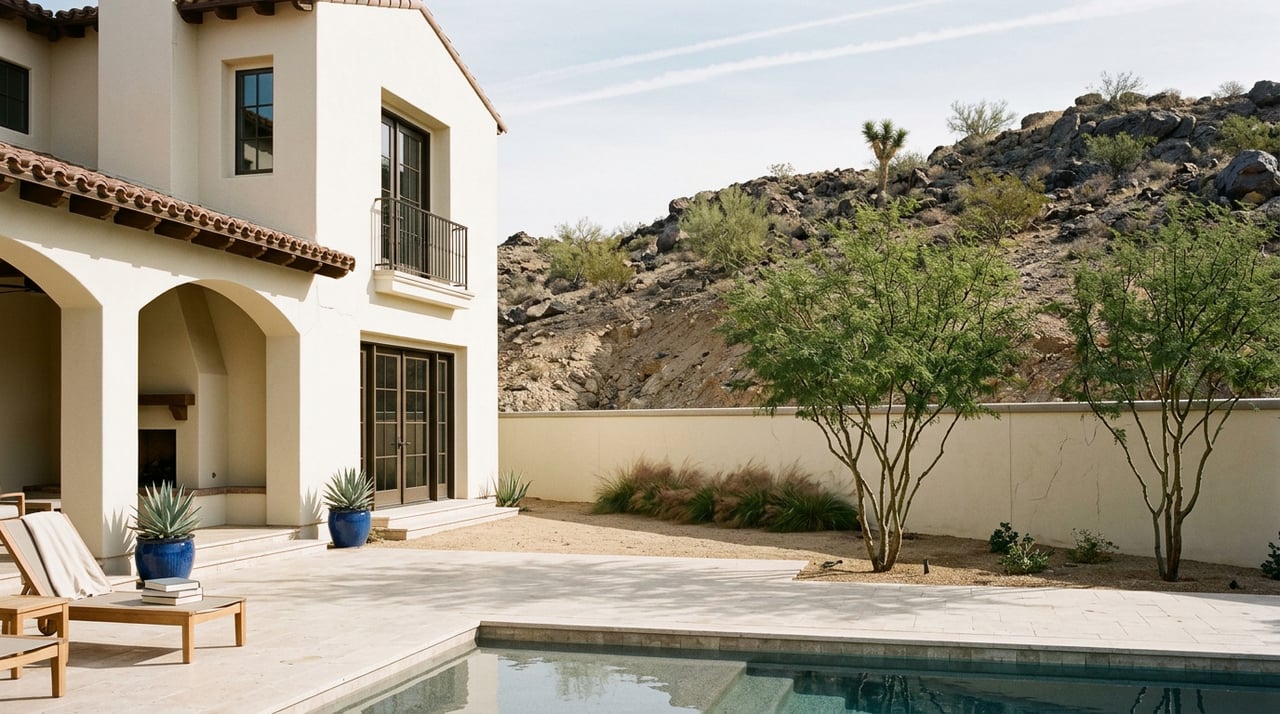
Surface choices can make an outdoor room feel 10 degrees cooler at peak sun. Light‑colored, high‑albedo pavers and decking reflect more solar energy and reduce heat buildup underfoot. The EPA’s heat‑island guidance supports cool pavements to lower surface temperatures and improve comfort (EPA heat islands).
Use thermal mass strategically. Stone and concrete can store heat during the day and release it at night when temperatures drop, so shade them during peak hours. Choose finishes rated for intense UV exposure and occasional summer storms. For pools, seek partial shade during late afternoon, specify efficient pumps and controls, and consider covers to manage evaporation and heating costs.
Technology ties the experience together. Zoning your HVAC helps you condition the spaces you need without overcooling the entire home during a gathering. Where evenings cool off, design for secure night ventilation that can flush heat from the structure naturally. Automated shading based on time of day or solar angle protects interiors, cuts glare, and reduces load on your AC.
Plan the infrastructure early. Low‑glare LED lighting, well‑placed outlets, and integrated AV extend usefulness into the evening. Tie shades, lighting scenes, and even pool systems into your smart‑home platform for one‑touch control. Convenience is part of luxury, and buyers expect it.
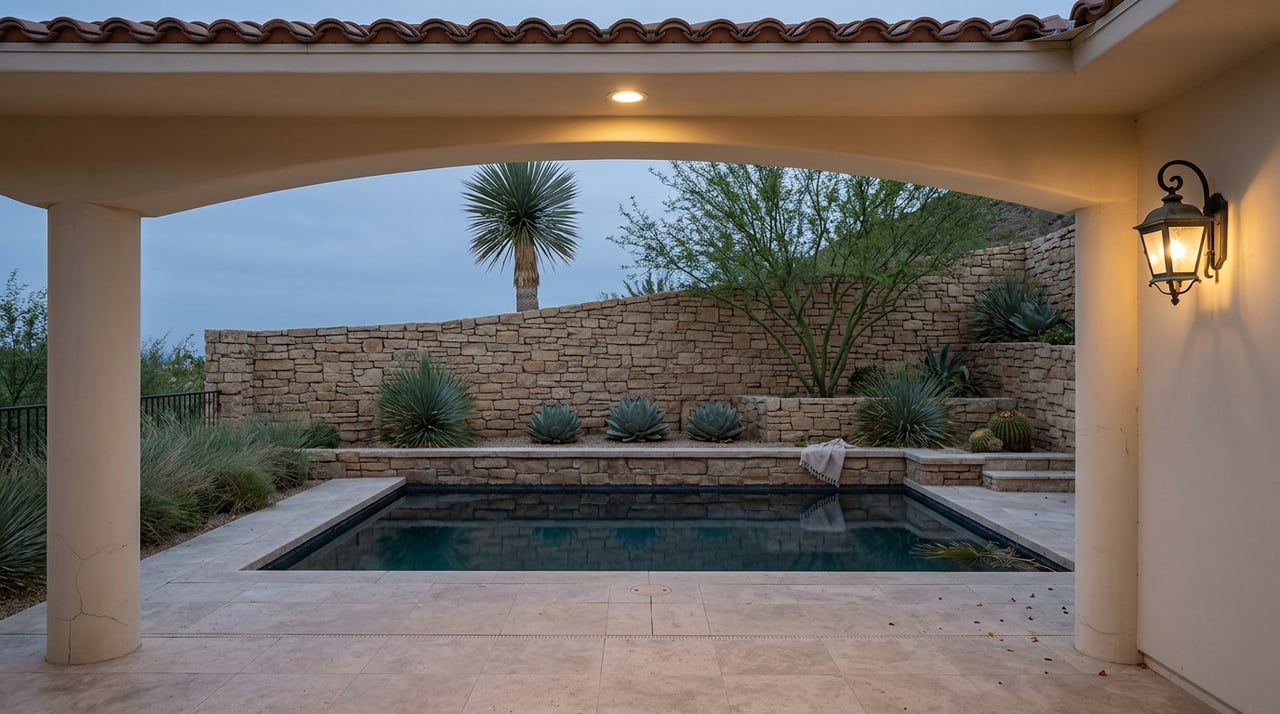
Hillside sites reward careful planning. Start with a geotechnical study and a drainage strategy that moves water away from the house and stabilizes cut and fill. Engineered retaining walls, proper waterproofing, and erosion control protect your property and neighbors downslope. The USGS offers clear overviews of slope stability considerations to inform your design team (USGS landslide hazards).
Step your foundation and terraces to follow the grade. This keeps floor transitions smooth and maximizes usable outdoor space. Coordinate view corridors with privacy needs and equipment screening. Finally, confirm grading, building, and retaining wall permits early to align your timeline with county and HOA requirements (Clark County Building Division).
In Southern Nevada, elegance and efficiency go hand in hand. Xeriscape plant palettes, drip irrigation, and smart controllers create a refined look with far less water than traditional turf. The Southern Nevada Water Authority’s resources and incentives can help you plan a landscape that is both beautiful and responsible (SNWA WaterSmart).
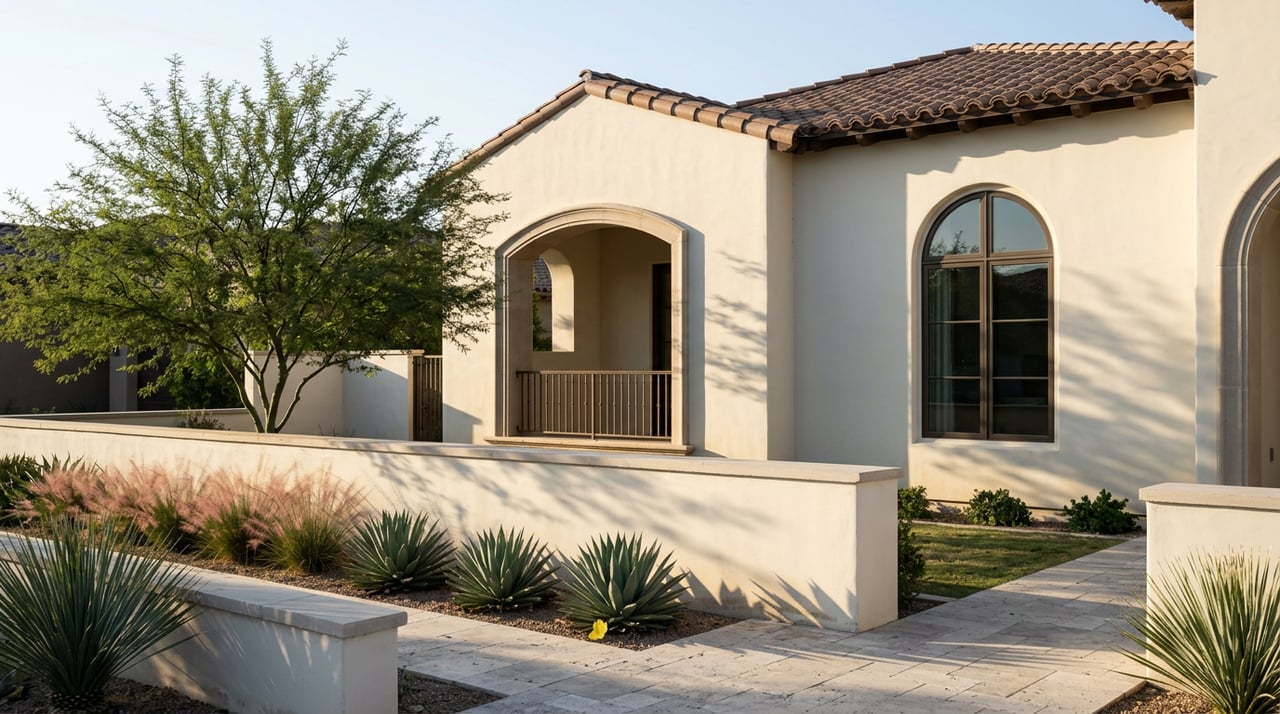
Layer shade trees, trellised vines, and sculptural canopies to lower radiant heat in seating areas. Use gravel, stone, and high‑albedo hardscape to complement the architecture and reduce maintenance. The result is a serene, low‑water outdoor environment that feels comfortable most of the year.
Since 2020, outdoor living has moved from wishlist to must‑have. Design publications highlight strong demand for indoor‑outdoor connections, shaded entertaining areas, and smart controls that make the transition seamless. You see it in buyer behavior across Las Vegas: thoughtful courtyards, quality glass walls, and water‑wise landscapes get attention and show well.
If you are upgrading for resale, think like a discerning buyer. Prioritize features you can demonstrate with specs and documentation, not just aesthetics. Quality you can verify builds trust and supports your asking price.
You do not need to remodel everything to win the market. Focus on the elements that read immediately as livable and efficient. Buyers respond to shade where they want to sit, indoor‑outdoor access that feels effortless, and glass that controls heat and glare.
In your listing and showings, highlight verifiable details: the NFRC ratings on your glass wall system, the engineered design behind retaining walls, and any participation in local water‑conservation programs. Professional photos at golden hour will capture shaded terraces and the glow of interior lighting blending with the desert sky. These touches translate premium design into perceived value.
Use this quick list to confirm the features that help your Ascaya home stand out:
The best indoor‑outdoor homes in Ascaya look effortless because they are engineered for our climate and terrain. When you pair vanishing walls with smart glass and shade, shape courtyards for comfort, and invest in water‑wise landscapes, you get a home that lives beautifully and shows even better.
If you are planning a move, exploring upgrades, or getting ready to list, let’s talk about a strategy that fits your timeline and goals. Schedule a conversation with Stephanie Taffanelli to align design, marketing, and buyer expectations in Ascaya.
Stay up to date on the latest real estate trends.

Get assistance in determining current property value, crafting a competitive offer, writing and negotiating a contract, and much more. Contact me today.