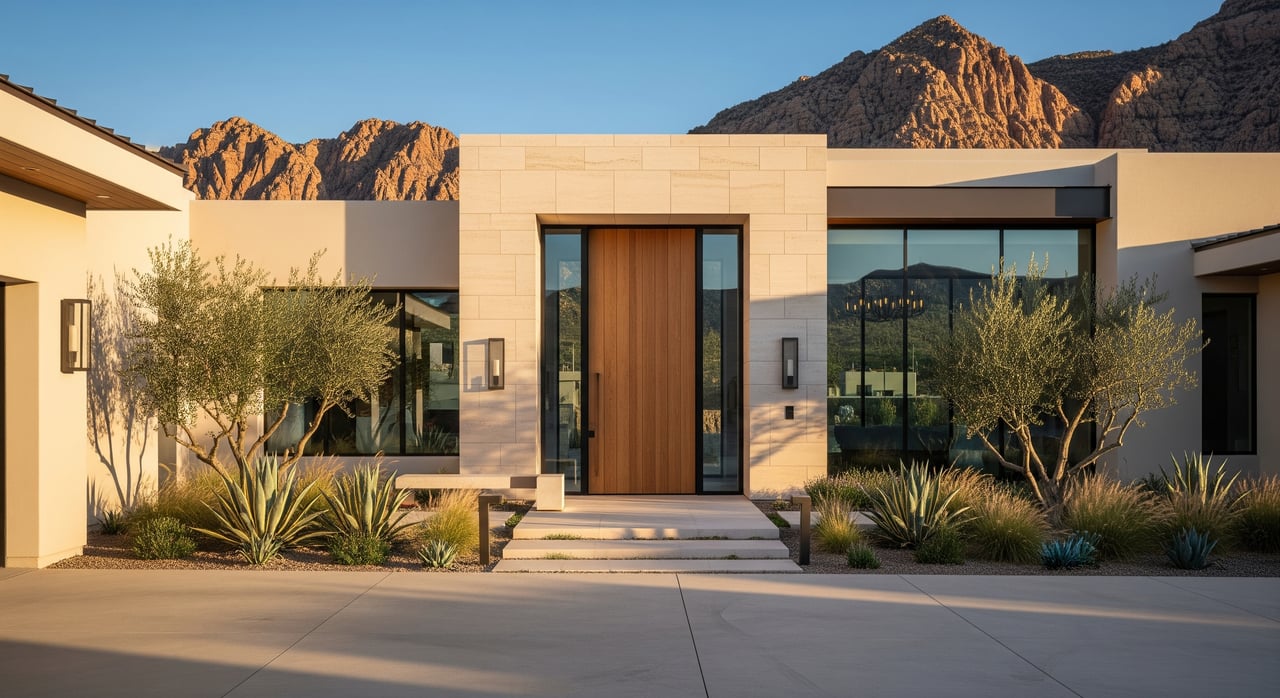
Nevada Escrow Process for Home Buyers in Summerlin
November 21, 2025
November 21, 2025
Buying in Summerlin is exciting, but the escrow process can feel like a black box. You want clear steps, predictable timing, and a smooth handoff of keys on closing day. In this guide, you’ll learn how escrow works in Nevada, what is unique to Summerlin communities, where your money goes, and how to avoid delays. Let’s dive in.
Escrow is a neutral third party that handles funds, documents, and recording so title transfers only after contract conditions are met. In Nevada, licensed title and escrow companies run this process. Your escrow officer coordinates with you, the seller, your lender, the HOA, and the county recorder.
Your real estate agent negotiates terms and deadlines. The escrow officer follows those instructions, holds deposits, orders title work, prepares closing statements, and requests recording and funding.
Summerlin has multiple village associations and a master plan. HOA documents and CC&Rs are common and can affect timing. New construction adds builder steps like orientations and punch lists. Resales focus more on HOA resale packages and seller disclosures.
Once your offer is accepted, escrow opens and your earnest money instructions kick in. The purchase agreement may name the escrow company or your agent opens it. Escrow creates the file, issues instructions, and orders a title search and any HOA documents.
You deposit the earnest money as your contract specifies. Escrow shows your deposit on the ledger. The title search produces a preliminary title commitment listing exceptions like easements and CC&Rs. For Summerlin homes with HOAs, the resale package is ordered early. The seller also provides required property disclosures and any federal lead paint form if the home was built before 1978.
Your inspection window runs according to your contract. You schedule the home inspection and any specialists for items like roof, HVAC, or pool systems. If you are financing, your lender orders the appraisal and moves your file through underwriting. Appraisal results can lead to renegotiation if the value is below the contract price. Some communities require HOA reviews or approvals, which can add days.
New builds often include a builder walk-through, punch list, and delivery of warranties and manuals. Timing may depend on a certificate of occupancy.
You remove inspection and financing contingencies by the deadlines in your contract. Once conditions are met, your lender issues a clear to close. For most consumer mortgage loans, the Closing Disclosure must reach you at least three business days before closing.
Escrow prepares the final title commitment and closing figures. You receive your settlement statement and wiring instructions. Confirm the funds needed to close and acceptable payment method. You complete your final walk-through, often 24 to 48 hours before closing, to confirm the property condition and agreed repairs.
On closing day, you and the seller sign documents at the title office or through an approved remote option, depending on lender rules. The lender wires loan funds if financing is involved. Escrow confirms all funds and instructions, then records the deed and any loan documents with the Clark County Recorder. Once recorded, title transfers and keys release per your contract.
Within days, escrow disburses funds to the seller and any payees, and issues the owner’s and lender’s title policies. Your settlement statement will show prorations for taxes, HOA dues, and utilities. You receive copies of recorded documents and policy details.
Your earnest money shows commitment and is applied to your purchase at closing. The amount and timing are set in the contract. Escrow holds these funds and releases them only with written instructions or mutual agreement. If there is a dispute, funds remain in escrow until resolved.
During the inspection period, you can request repairs or credits. Common inspection items in Summerlin include roof, HVAC, plumbing, electrical, and pool or spa systems. With new construction, builder warranties and completion items may replace traditional repair requests.
Financing and appraisal contingencies protect you if your loan approval fails within the agreed period or if the appraisal comes in short. You can cancel within the contingency if your contract allows, or you can renegotiate.
Summerlin homes are often in HOAs. The resale package outlines dues, budgets, insurance, rules, and any special assessments or litigation. Fees apply to order these documents, and delivery follows Nevada law. Special assessments and unpaid HOA balances are usually handled at closing as decided in the contract. Title commitments also list exceptions like easements and CC&Rs that can affect use. Any liens against the seller must be cleared before recording.
Buyer costs vary by loan, price, and contract terms. Common items include:
For financed purchases, total buyer closing costs often range from about 2% to 5% of the purchase price. Your numbers will depend on loan type, credits, and local fees. Ask for an early estimate from escrow and your lender.
If you cannot attend in person, many Nevada title companies offer remote signing options or allow a power of attorney, subject to lender approval. Some loan programs have specific notary rules, so confirm early.
Plan the final walk-through. If you cannot be here, arrange for a trusted representative or use video. Confirm when keys transfer. Most contracts link possession to recording.
Identify utility providers for your specific Summerlin address. Common providers include Las Vegas Valley Water District, NV Energy, and Southwest Gas. Check HOA requirements for landscape or master association services and set up accounts as needed.
Nevada has no state income tax. Property taxes are assessed by Clark County and prorated at closing. Your lender will set homeowners insurance requirements. If the home is in a mapped flood zone, separate coverage may be required.
New construction often includes orientations, punch lists, and warranty binders. Some builders handle occupancy or recording on a set schedule, and they may have unique closing logistics.
Resale transactions typically center on HOA resale documents, seller disclosures, and any needed repairs. Either path still follows the same escrow fundamentals: clear contingencies, confirm funds, sign, fund, record, and receive keys.
You deserve a smooth, well-managed closing. With the right plan, escrow is predictable and stress-free. If you want a local advisor who anticipates HOA timelines, coordinates with your lender, and keeps you informed from offer to keys, connect with Stephanie Taffanelli. Let’s make your Summerlin closing feel easy.
Stay up to date on the latest real estate trends.







Get assistance in determining current property value, crafting a competitive offer, writing and negotiating a contract, and much more. Contact me today.